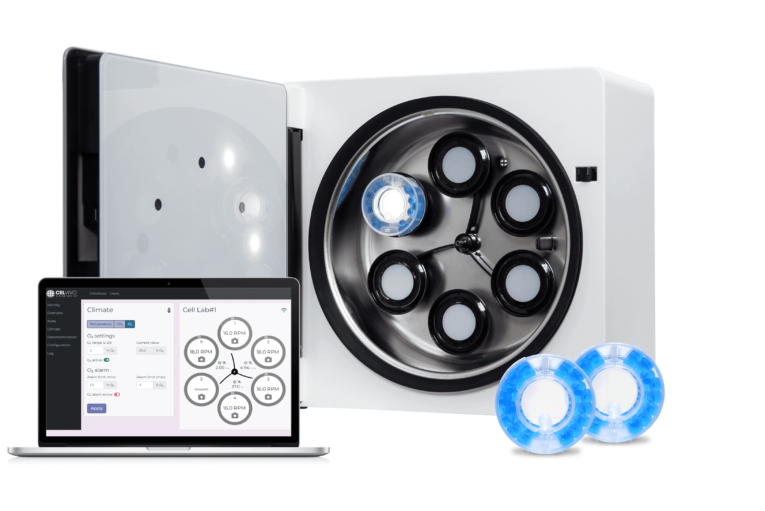
How to use long term methods for
researching protein oxidation
Adelina Rogowska-Wrzesinska
Information:
Associate Professor
Department of Biochemistry and Molecular Biology
SDU (University of Southern Denmark), Odense
Reason for using a clinostat
In my research it is very important that I can create experimental models that reflect in vivo cell physiology as closely as possible, but at the same time provide highly controlled and reproducible environment. I like working with CelVivo system because it is easy to use. Graduate students can learn how to use it and perform meaningful experiments even within very short 3 months projects. Spheroids created with CelVivo system have become an indispensable tool in my research combining proteomics and lipidomic to understand the role of protein oxidation and redox imbalance in cell physiology induced by drugs and xenobiotics.
Interesting Results/ Hope to achieve results
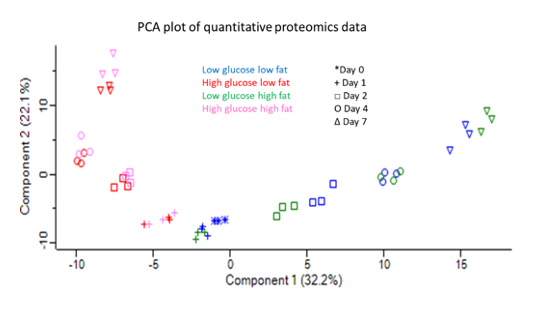
The current project in my group using CelVivo system focuses on establishing a hepatocytes-based model for the analysis of lipids and glucose toxicity in the context of Non-Alcoholic Fatty Liver Disease and metabolic syndrome.
Learnings/Tips and Tricks
We found out that to obtain high reproducibility of physiological response in drug or compound exposure experiments it is necessary to use the bioreactor biomass (number of cells or spheroids) as a common denominator for calculating the amount of drug needed per bioreactor – similar as it is made in animal studies using mg per body weight values and in contrast to what is very often done in cell culture experiments where compound concentration in media (mol/ml) is used. This way highly reproducibility between bioreactors and over several experiments can be achieved.
How Adelina works with long-term cultures in the ClinoStar
“Spheroids created with CelVivo system have become an indispensable tool in my research”.
Webinar
Understanding mechanisms of drug toxicity using hepatocytes-based spheroids.
In this presentation, Associate Professor from SDU, Adelina Rogowska-Wrzesinska, discuss how they use HepG2/C3A spheroids to study hepatocytes’ response to therapeutic-equivalent doses of APAP (5 mg APAP per mg total soluble protein).
Start mimicking in vivo today