
Webinars
In these webinars, we’ll focus on the advantages of using 3D cell culture and the ClinoStar system for growing and maturing organoids and spheroids.
Learn from some of the leading scientists and get inspired by the applications across various research areas.

ClinoStar hypoxia unit creates physiological levels of oxygen for in vivo mimetic 3D constructs
Krzysztof Wrzesinski
CSO & Co-Founder, CelVivo ApS
From: February 08, 2024
Ever wondered how to seamlessly recreate in vivo conditions for 3D cell cultures?
The prevailing consensus suggests that cultivating cells within a three-dimensional (3D) environment presents considerably greater challenges compared to conventional two-dimensional (2D) monolayer cultures. This increased complexity often stems from the fact that the equipment required for effective 3D cell culture hasn’t undergone the same level of optimization as its 2D counterpart. Moreover, the task of closely monitoring and regulating the intricate 3D environment proves to be significantly more demanding.
Join us for an enlightening webinar as Krzysztof Wrzesinski explores how the hypoxia unit for the ClinoStar can help researchers by precisely regulating oxygen levels, and optimizing temperature, atmospheric composition, and diffusion gradients. Discover how to de-stress and simplify the complexities of 3D cell culture.

Modeling Aging-Induced Epigenetic Alterations Using 3D Spheroids
Simone Sidoli
Assistant Professor, Albert Einstein College of Medicine, New York
From: December 06, 2023
Are you curious about the intricate modulation of chromatin state and dynamics in aging cells?
Join us for an engaging webinar by Simone Sidoli as we delve into the fascinating world of chromatin-bound proteome exploration.
Discover the preliminary data on unusual histone modifications in the OPEL group—a key indicator of projected longer lifespan. Simone Sidoli will guide us through the application of biochemistry techniques to unveil the role of these modifications on chromatin readout.

In vitro disease models – from complexity to therapy
Doris Wilflingseder
Professor at the Institute of Hygiene and Medical Microbiology,
Medical University of Innsbruck
From: November 15, 2023
How do you simulate the course of infection as ´realistically as possible´ in a petri dish? And why are complex barrier models a possible solution?
In this webinar, Prof. Doris Wilflingseder gives insight into the use of relevant human 3D cell culture systems in air-liquid interphase and organoids to gain more specific insights on host-pathogen interactions and potential treatment strategies. Sign up and get inspired on how to develop complex predictive non-animal models that can be useful in terms of drug testing or testing novel vaccination strategies.
A System for Culturing Cells as In Vivo Mimetics
Krzysztof Wrzesinski
CSO & Co-Founder, CelVivo ApS
From: October 23, 2023
What are the scientific advantages of using 3D? And how do you create the perfect spheroids and organoids?
In this webinar, Krzysztof Wrzesinski, CSO and co-founder of CelVivo will introduce the advantages of culturing cells in 3D rather than 2D. You’ll get insights into the optimal way of growing cells in 3D – using the clinostat principle to mirror cells growing in vivo, thus being valuable for biomedical research.
3D multicellular models to study cancer – from spheroids to microfluidics
Dr. Dominika Czaplinska & Dr. Roxane Crouigneau
University of Copenhagen, Department of Biology
From: May 24, 2022
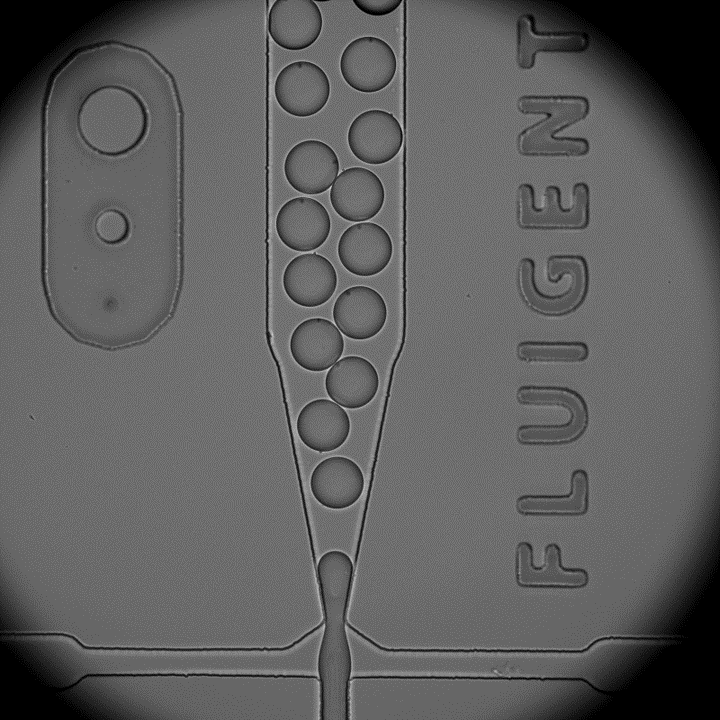
The development of three-dimensional (3D) cell cultures has provided new tools for basic research and pre-clinical approaches, allowing the culture of cancer cells under conditions that closely resemble tumour growth in a living organism. We will provide an overview of the main 3D techniques used in our lab, including spheroids, cysts, organoids and microfluidics technology. We will discuss the advantages and limitations of the classical 3D models as well as recent advances in 3D culture techniques, focusing on how these culture methods have been used to study cancer progression.